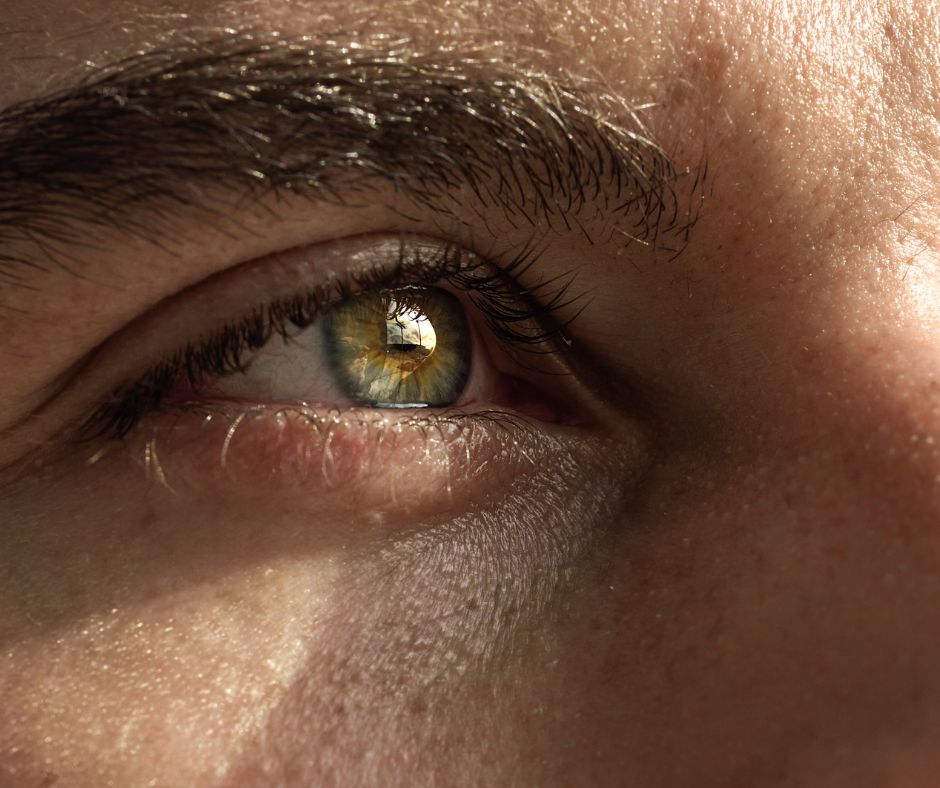
Know Your Patient Medical History – Crucial In Identifying Eyewear Needs
With all the technology of today, one would think that a miraculous design such as a one size fits all would be available when it comes to eyewear and medical issues concerning the eye. At one point, it was actually thought that LASIK surgery was the thing for everyone to correct their vision. That thought was quickly derailed as more and more people began to learn that LASIK doesn’t necessarily rule out eyewear over the long term or at all.
When assisting a patient with eyewear or medical needs, one must
first get to know the patient and what is occurring with their eyes. Actually, there is something that one can put to practice when handling both retail and medical areas, and that is the medical history. Most of the time, only in the medical areas use this information primarily as this is when the patient is in contact with the doctor, however, medical history can also play a huge role in finding proper eyewear.
In the case of finding the best suitable eyewear for a patient, one of the items that stand out in medical history is previous eye surgeries and diseases. The reason why knowledge of previous ocular surgeries is important goes back to the fact that sometimes a patient may no have the ability of successfully using certain multifocal lenses. Other times, knowledge of a patient’s condition ahead of time will give a conclusion as to why a patient may not
have the quality vision in their glasses as they would like to have. Often times, patients are frustrated with the quality of vision through their eyewear, however, have forgotten about the cataract surgery that could be causing a post cataract surgery film that covers the eye resulting in bad vision. One could even have retinal problems that inhibit the best quality eyesight. At times, it is these issues that would assist an Optician with dispensing.
Allergies are another big thing in medical history that an Optician would be wise in retrieving from the patient. No, the Optician doesn’t need to know every allergy, however, he or she does need to ask whether or not the patient has had adverse reactions to metals. Eyeglasses frames are made of many different type metals from nickel on down. If an Optician knows ahead of time of the particular metal allergy, this could narrow down the frame selection and save valuable time in frame selection as then only hypoallergenic frames such as titaniums or plastics will be shown and fitted.
Finally, basic information is always a must to collect such as name and everyday activities. This type of information is needed for dispensing and properly assigning the correct lens for that golfer or reader or that person who may need occupational lenses. The choice isn’t always in the hands of the patient, but in the hands of the Optician who knows bestas an eyewear professional.
Problems With Eyes At Computer? There’s a Solution
It can be awful, and it may feel like your eyes are going bad on you. What is being spoken of is the tired, weak and heavy feeling computer usage has on some eyes. Let’s all face the hard fact that gone are the pencil and paper days. As a matter of fact, when was the last time that you sharpened a pencil or used actual notebook paper? Exactly. Most of the time, the computer or blackberry is your pencil, paper and route into and out of work.
So what do you do when your eyes are going through something
terrible due to the continuous computer work at the office and at home? Surprisingly, there are a couple of things that could reduce the eye fatigue and strain that may come about from computer glare and overall tired eyes.
First, one can opt to get rid of all the glare on your computer screen. This can be done by using something called a glare filter on the screen or by purchasing antireflective lenses inside your eyewear. The absolute best is one with Scotchguard as it is easy to clean and barely leaves any fingerprints. On top of that, antireflective lenses allow one to see better as more light is able to enter into the eye and not be reflected away. Because this type lens allows one to see better, it reduces eye fatigue, strain and glare, thus, making for a more productive work day.
More simple things that one can do to reduce the irriation while at the computer are to dim the lights in the area or even reduce the light on the computer screen making it a little darker. Another thing is not to postition the computer monitor directly in front of you. Instead, move it over a little so that it is to the right or left, but not so far that it is uncomfortable. One more thing, get some shut eye time at while sitting in front of the computer. No, that doesn’t mean go to sleep, however, it does mean rest your eyes.
Remember…your eyes are worth the royal treatment. Don’t forget that if none of these minor adjustments work, see your eye doctor as a slight change in prescription(Rx) may be needed.